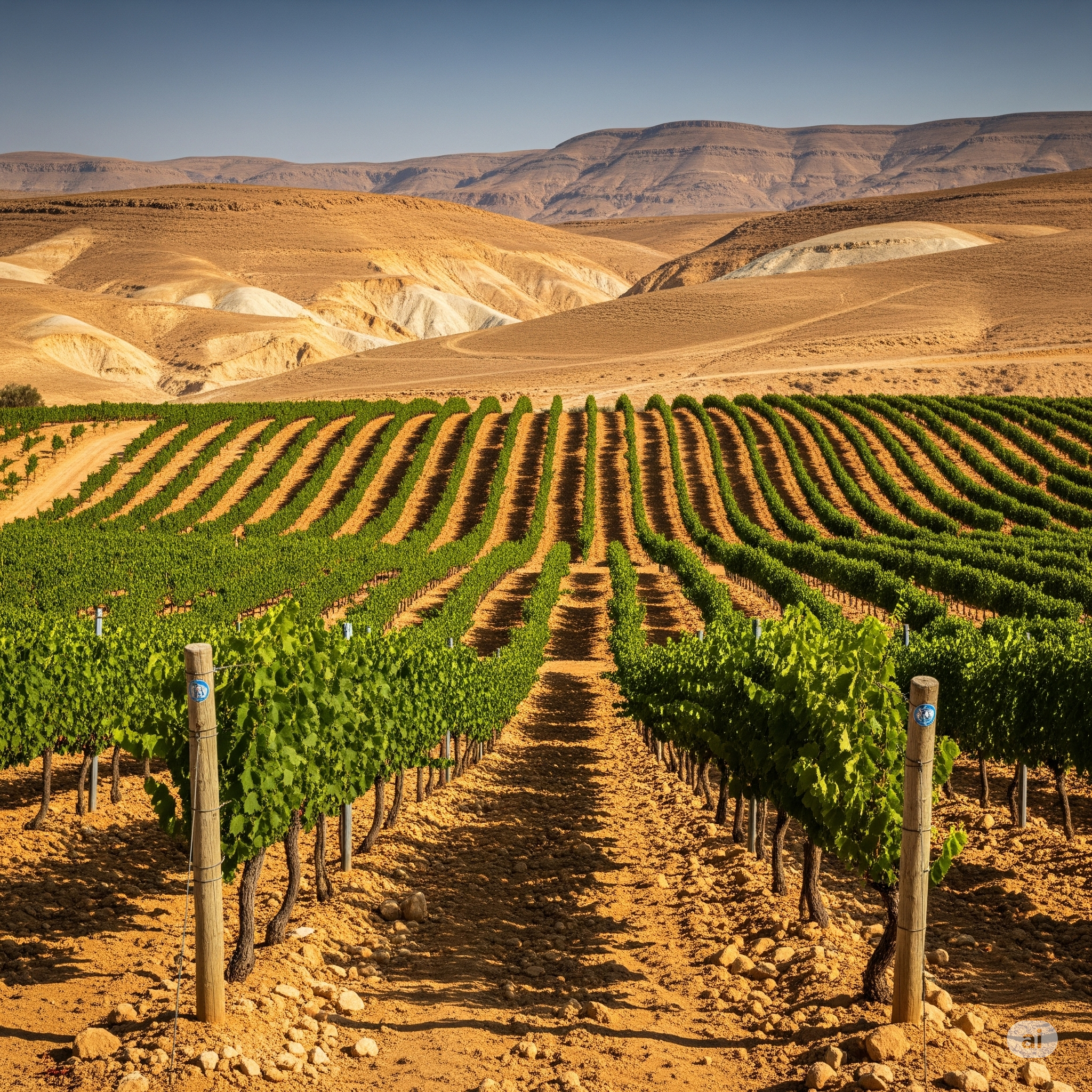
The direct conflict in the north has subsided, but the echoes of war continue to shape daily life across Israel. While the immediate crisis has passed, many industries, especially agriculture, are navigating a long road to full recovery. Israel’s vibrant wine sector, deeply rooted in its ancient lands, faced immense challenges during the recent period of conflict, and the need for ongoing support remains vital as wineries work to rebuild and thrive.
The impact on Israeli wineries was profound, ranging from physical damage to vineyards and facilities to severe disruptions in operations, sales, and tourism. Many dedicated winemakers and their teams endured the brunt of the instability, with vineyards in critical regions like the Galilee and Golan Heights bearing the scars of attacks and becoming restricted military zones. The 2024 harvest, for many, was a testament to sheer perseverance under perilous conditions, with labor shortages due to reserve duty call-ups and evacuations adding significant hurdles. While domestic sales have shown encouraging signs of returning to normal, the financial sting of lost income during the peak of the conflict is a long-term challenge that cannot be easily made up.
ISRAEL21c previously highlighted (before the war with Iran) the plight of several wineries that were particularly affected, and their journey of recovery is a story of remarkable resilience:
- Dalton Winery: Located mere miles from the Lebanon border, Dalton Winery endured direct hits and saw significant portions of its vineyards declared closed military zones. Their visitors’ center, once a bustling hub, was forced to close, impacting a vital revenue stream. Today, they continue to rebuild and welcome visitors back.
- Tulip Winery: While their primary facility was somewhat buffered from the direct fighting, Tulip Winery’s vineyards in the Upper Galilee and Golan Heights suffered extensive destruction. The rehabilitation of these precious lands, with 74 dunams (11.6 acres) in the Upper Galilee and 100 dunams (24.7 acres) in the Golan damaged by attacks, is a multi-year endeavor.
- Uriel Winery: Situated remarkably close to the Gaza border, Uriel Winery miraculously escaped physical damage during the intense period of conflict. Owner Uri Akian’s unwavering commitment kept the winery operational amidst the constant tension, a true demonstration of resolve.
- Pelter Winery: In the northern Golan Heights, Pelter Winery faced direct hits from hostile fire, and even an accidental strike by an Israeli artillery shell in one of its vineyards. Despite these setbacks, they are focused on restoring normalcy and attracting visitors to their tasting room.
- Galil Mountain Winery: Positioned directly across from the Lebanon border, this winery’s vineyards sustained hits from drones, rockets, anti-tank missiles, and severe fires. Operations were severely restricted, requiring military approval for workers to access vineyards for even limited periods. Their ongoing efforts are centered on replanting and strategic recovery.
- Mika Winery: Located in the southern Golan Heights, Mika Winery, while experiencing relative calm, faced the pervasive anxiety of potential escalation. The conflict also brought personal tragedy, with the owner’s brother, Or Yosef Ran, a special military unit commander, tragically killed in battle.
- Underdog Winery: This winery’s primary challenge stemmed from its owner, Dror Engelstein, being called up for six months of reserve duty. Managing the winery remotely while serving, he adapted operations and even had to defer plans for new grape varieties, showcasing the personal sacrifices made across the industry.
Despite the profound challenges, the Israeli wine industry is united in its determination to build back stronger. Winemakers are doubling down on innovation and resilience, confident in the high quality of their wines, which continues to earn international acclaim.
As these wineries embark on their journey of renewal, our continued support is more important than ever. By choosing Israeli wines, we not only savor exceptional vintages but also contribute directly to the recovery of these businesses and the communities they sustain. Let’s continue to champion their spirit and help them flourish.
Source: War-battered wineries you can support this holiday season

